Marine Technical Services & Consultancy · Constanța, Romania Urgent attendance · ops@navispectglobal.com
NaviSupport Inspections SRL
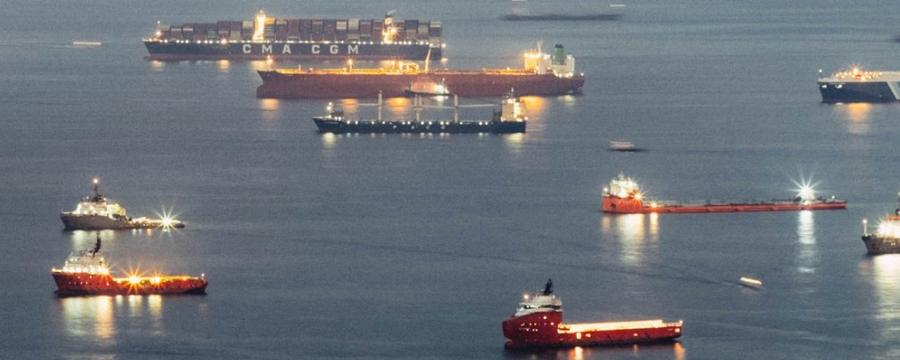
Bulk carrier alongside at sunset, with port cranes and lighthouse

We do not inspect to condemn. We inspect to protect.

Vessel inspections and PSC readiness you can rely on.

Pre-PSC inspections, PSC attendance, vetting readiness and ISM/ISPS/MLC audits for bulk carriers, offshore units, Ro-Ro ships, tankers and gas carriers. Backed by surveys, crew training and owner's representation when you need them. Based in Constanța, attending across the Black Sea and Europe.

  • Bulk carriers
  • Offshore
  • Ro-Ro & PCTC
  • Oil & chemical tankers
  • LNG / LPG carriers
  • Container ships
Regulatory updates · 2026 PSC campaign on cargo securing, until 30 November.

Also in force: CO₂ testing before enclosed space entry and PFOS-free foam. New pilot transfer rules from 2028.

See what inspectors check now →
SOLASMARPOLISM CodeISPS CodeMLC 2006STCWSIRE 2.0RightShipOCIMF OVIDIMCA eCMIDParis MoUBlack Sea MoUISO 9001 / 14001 / 45001SOLASMARPOLISM CodeISPS CodeMLC 2006STCWSIRE 2.0RightShipOCIMF OVIDIMCA eCMIDParis MoUBlack Sea MoUISO 9001 / 14001 / 45001
300+vessel inspections, pre-PSC inspections and internal audits completed by our team
20+years at sea, including command, behind our inspections
50services in four categories, from inspections to sale and purchase
6vessel types inspected: bulk, offshore, Ro-Ro, tankers, gas carriers and container ships

Regulatory updates

What changes on board, and when.

The requirements PSC and vetting inspectors are checking now, and what we look at on board for each one. Updated as new rules and campaigns come into force.

1 Sep – 30 Nov 2026Port State Control

PSC campaign on cargo securing

Paris and Tokyo MoU inspectors apply a cargo securing questionnaire during routine inspections, once per ship per MoU.

What we check on boardApproved Cargo Securing Manual, condition and records of lashing equipment, and cargo stowed and secured as the manual requires.

In force 2026Enclosed spaces

CO₂ testing before entry

Revised recommendations MSC.581(110) replace A.1050(27): the atmosphere must also be tested for CO₂ before entry.

What we check on boardA detector that can measure CO₂, entry permits with readings recorded, and crew who know the new limits. Older 4-gas detectors do not measure CO₂.

1 Jan 2026Fire safety

PFOS-free fire-fighting foam

SOLAS II-2/10 prohibits extinguishing media containing PFOS. Existing ships comply by the first survey after 1 January 2026.

What we check on boardMaker's declaration on board for every foam stock, including portable foam applicators and fixed systems.

1 Jan 2028Navigation

New pilot transfer rules

Amended SOLAS V/23 with performance standards MSC.576(110). Operational and maintenance requirements apply to all ships from 2028; existing installations are verified at the first survey on or after 1 January 2029.

What we check on boardLadder certificates and replacement records, securing points, stowage and crew familiarisation, checked ahead of the deadline.

Since 1 May 2025MARPOL Annex VI

Mediterranean Sea ECA

The Mediterranean is an Emission Control Area for SOx: 0.10% sulphur fuel at sea, not only at berth.

What we check on boardChangeover procedure and log entries, bunker delivery notes and samples, and fuel consumption records for the passage.

2026 reporting yearEU

EU ETS at 100%

Ships trading to the EU now surrender allowances for all of their verified emissions, with methane and nitrous oxide included from 2026.

What we check on boardMonitoring plan, fuel and voyage records consistent with MRV data, and the evidence a verifier will ask for.

Summaries for orientation only. The official IMO, EU and MoU texts apply.

Our signature service

Pre-PSC Risk Assessment.

We board before the PSC officer does. Every risk area is inspected and scored, and the Master receives a clear risk level with the actions that matter before arrival.

  • Targeted inspection of the areas behind most detentions: fire safety, MARPOL, ISM, structure and crew response
  • Scored per area, with an overall PSC risk level
  • Findings debriefed on board, with corrective guidance
  • Optional attendance during the PSC inspection itself
Pre-PSC Risk AssessmentSample extract
Vessel type
Bulk carrier
Next port
Paris MoU
Areas
5 / 14
Fire safety systems demonstration58
Hatch covers & weathertightness41
MARPOL Annex VI · records82
ISM · drills and records74
Crew familiarisation & response63
PSC risk levelMedium · 3 actions

On board

From our recent attendances.

Photographs from our own inspections. Vessel names, people and company marks are removed.

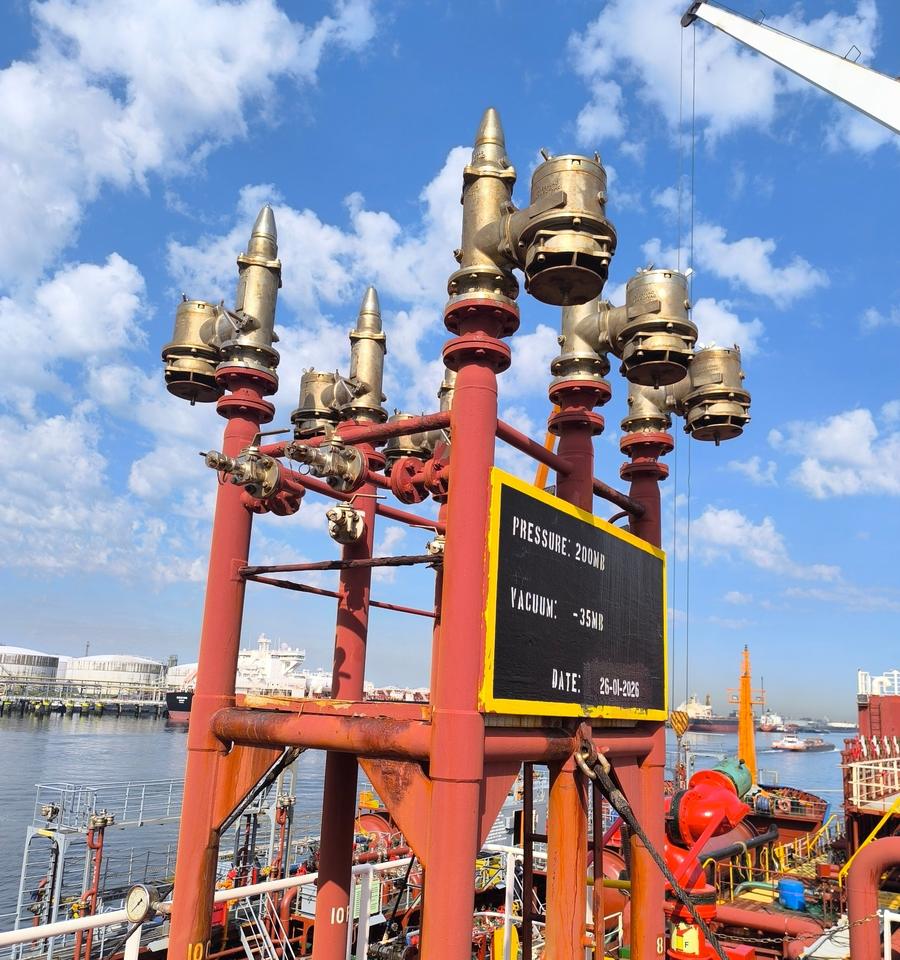
Cargo tank P/V valves
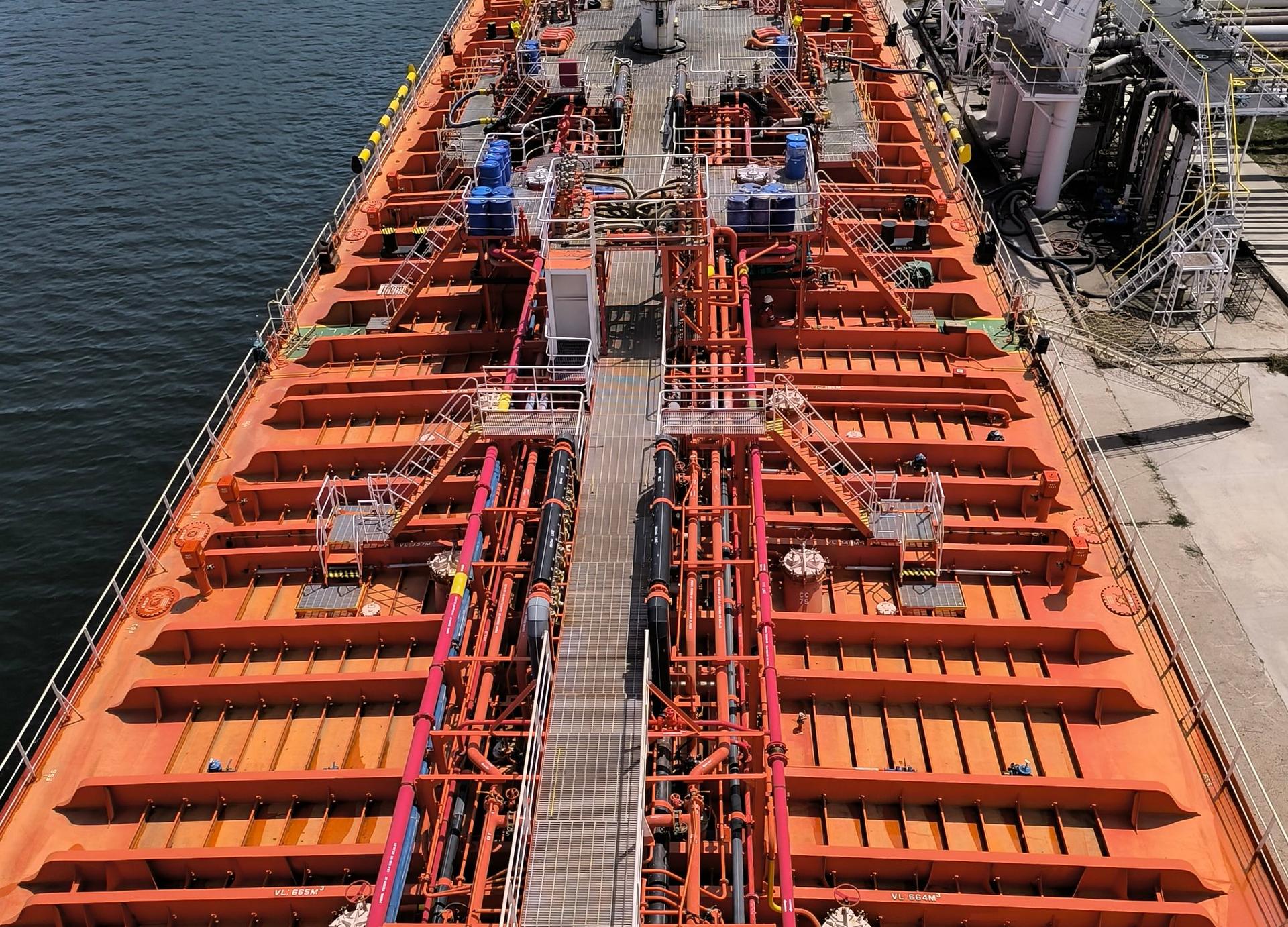
TankersCargo tank P/V valves
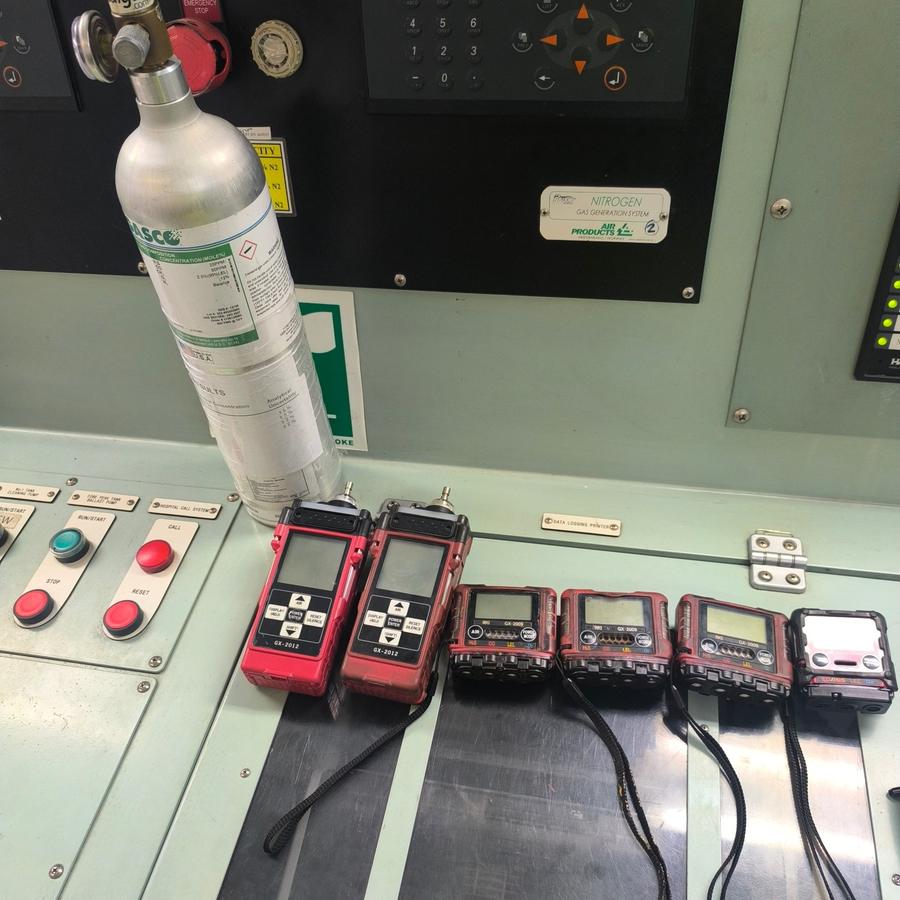
Gas detection and calibration
SafetyGas detection and calibration
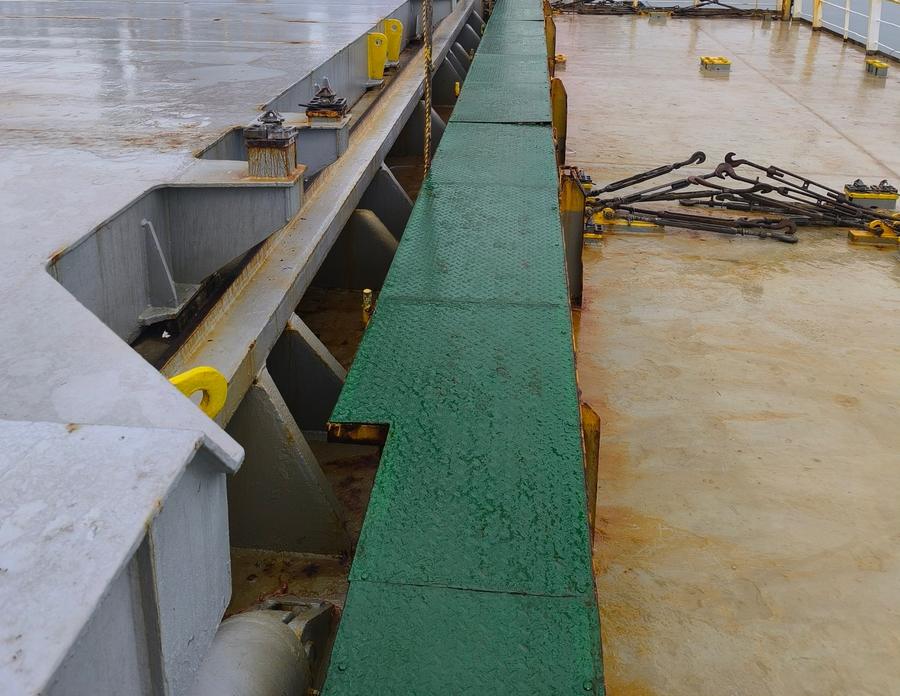
Hatch covers and walkways
Dry cargoHatch covers and walkways
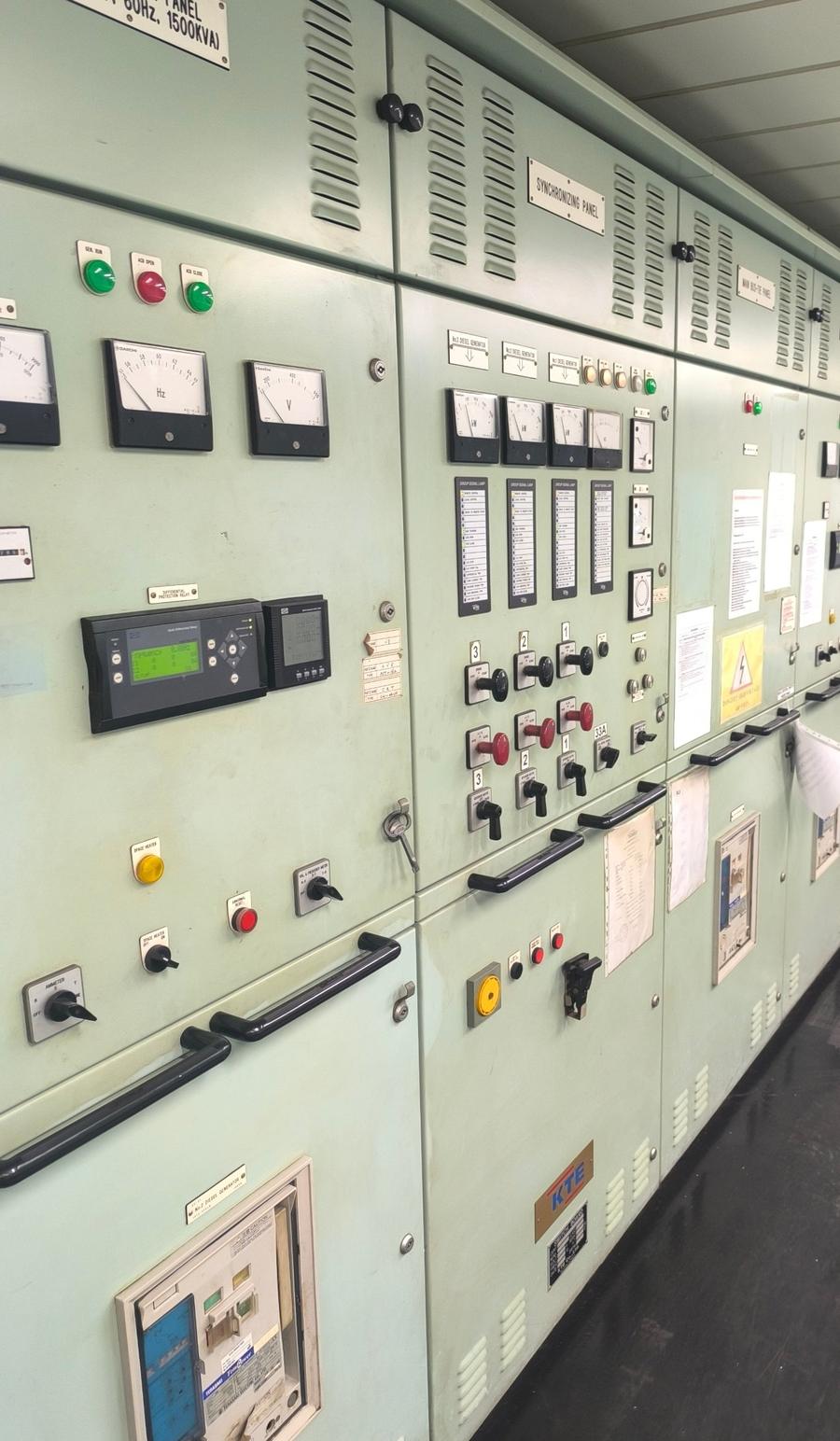
Main switchboard
Engine roomMain switchboard
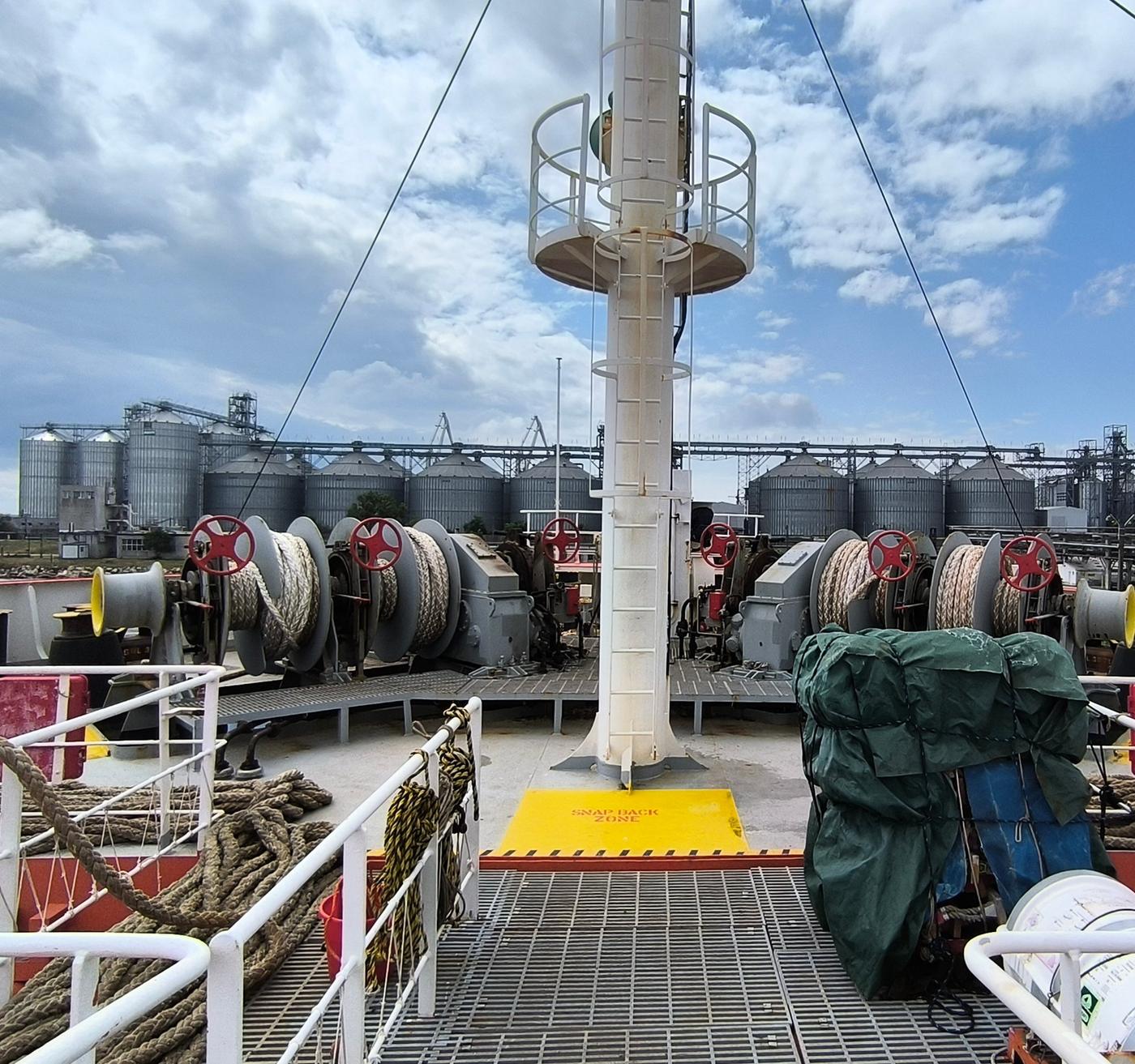
Mooring deck and winches
DeckMooring deck and winches
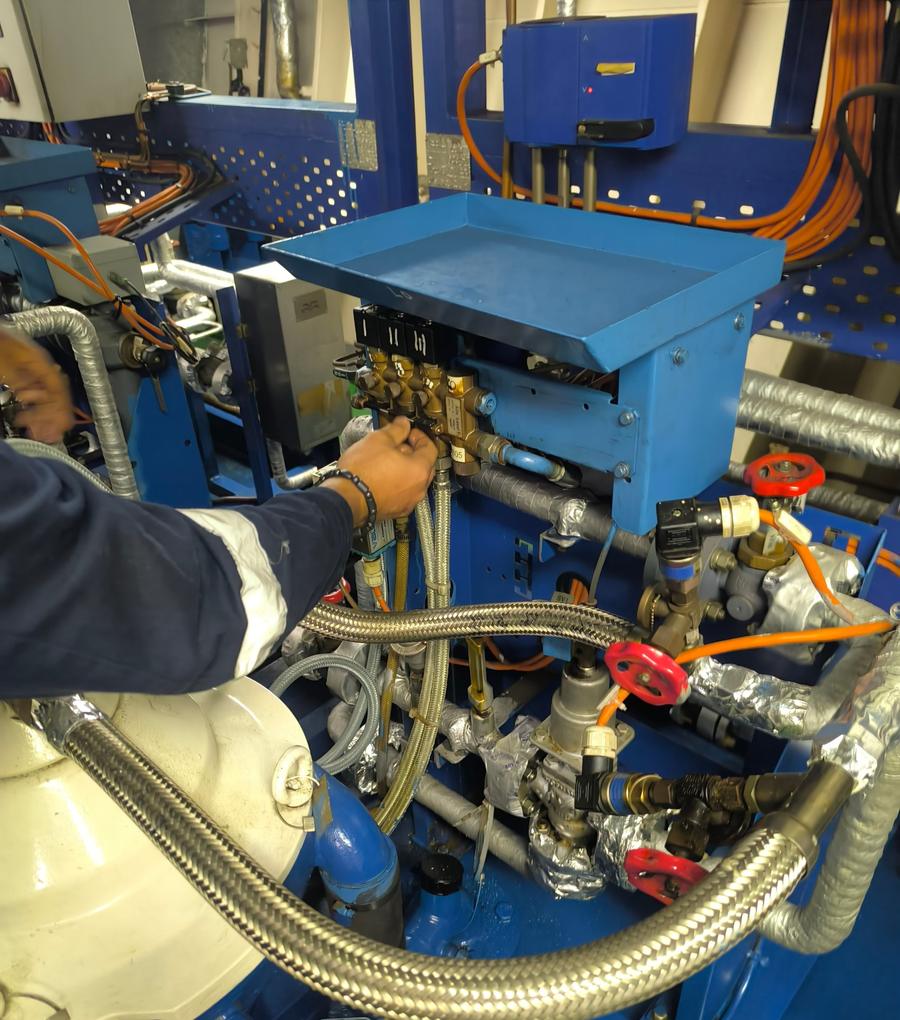
Purifier check during inspection
MachineryPurifier check during inspection
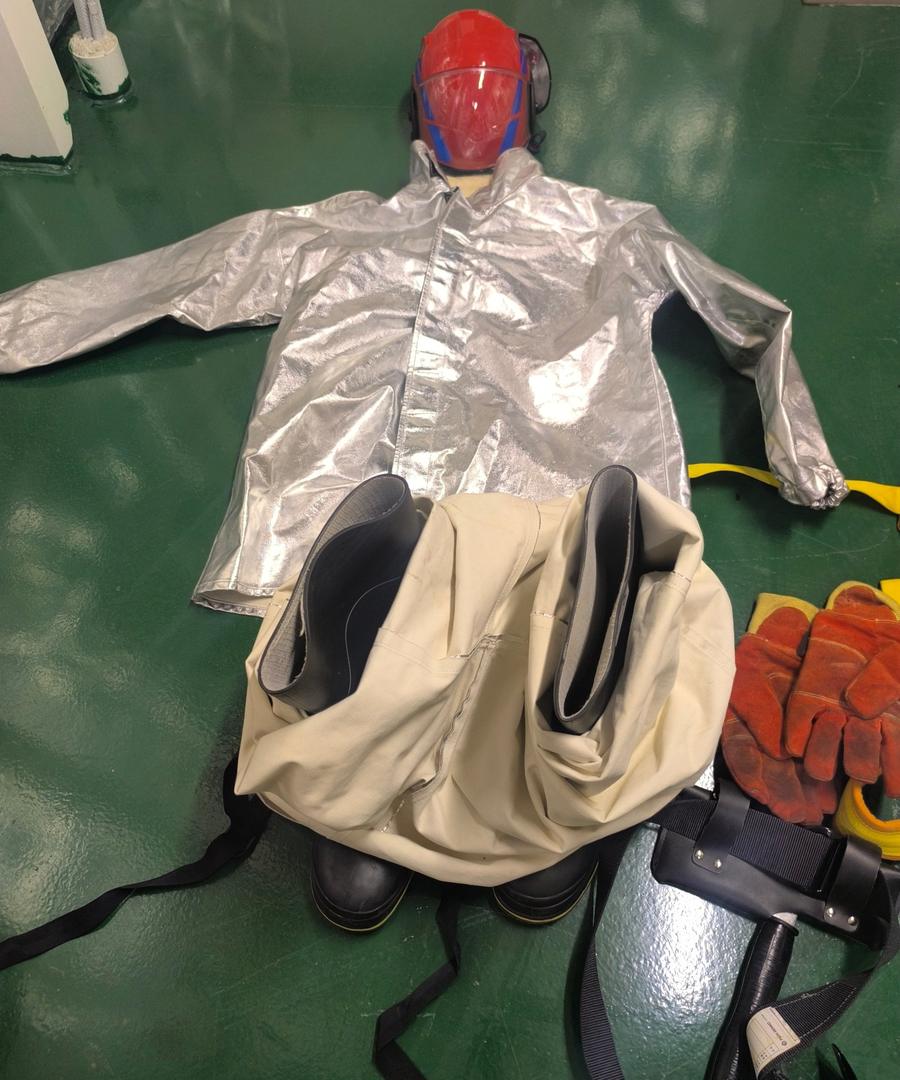
Fire-fighter's outfit
Fire safetyFire-fighter's outfit
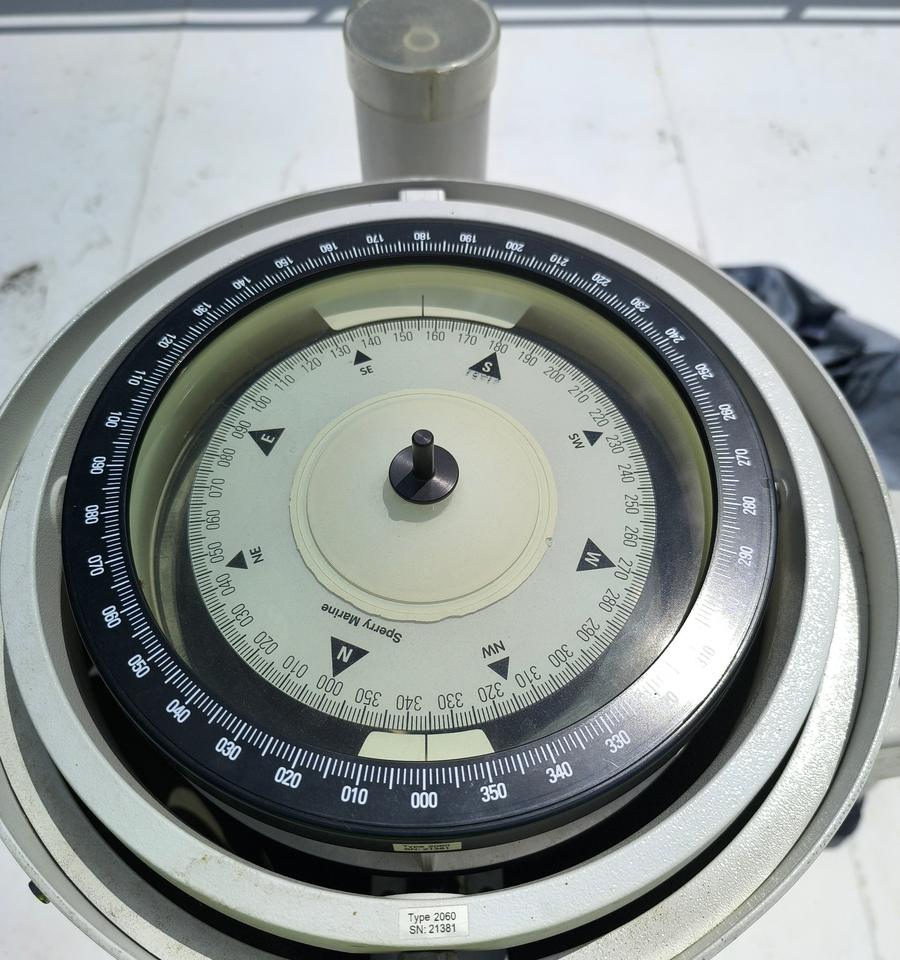
Magnetic compass
NavigationMagnetic compass
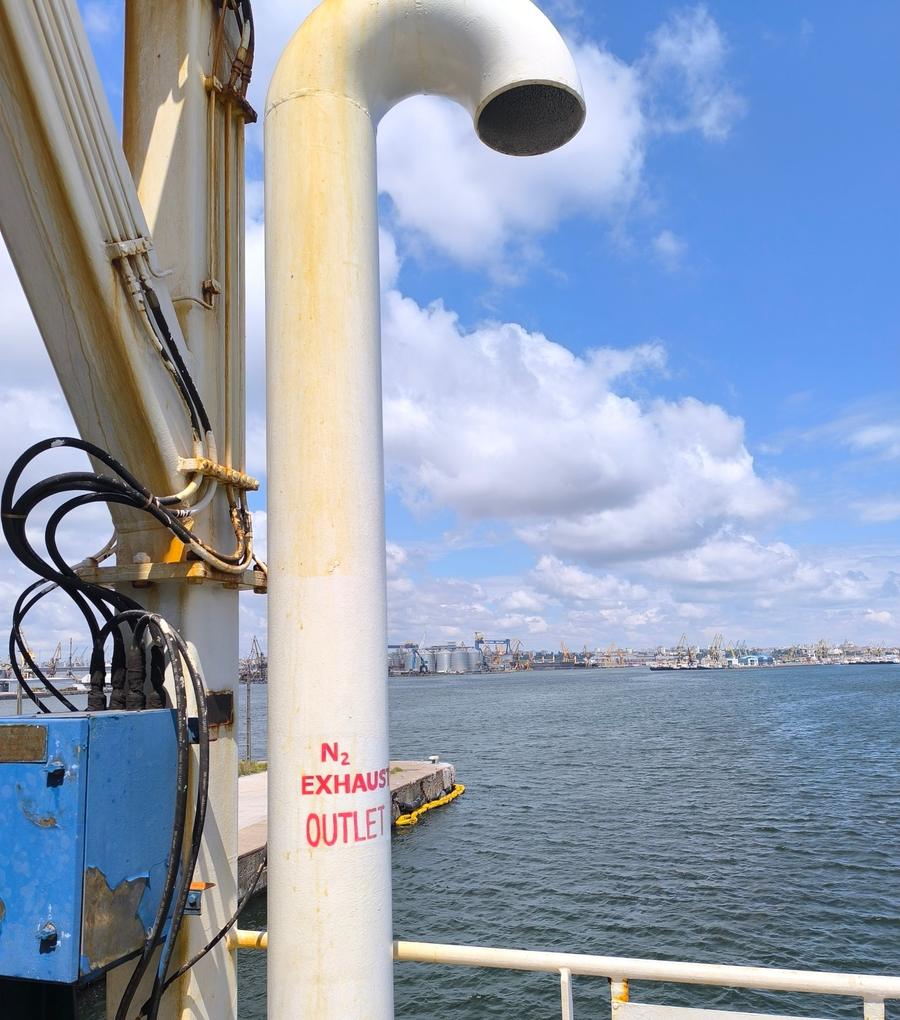
Nitrogen vent outlet
TankersNitrogen vent outlet

What we look for

We know where problems hide.

Close-ups from our inspections. Each one is a point where PSC and vetting inspectors look first.

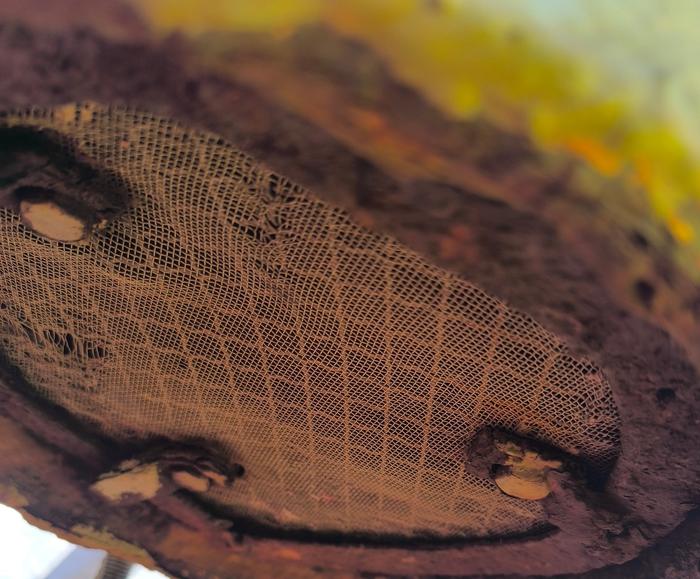
Flame screens
Tankers

Flame screens

Corrosion or damage to the mesh on vents and P/V valves can let a flame pass into a cargo tank. We check every screen we can reach.

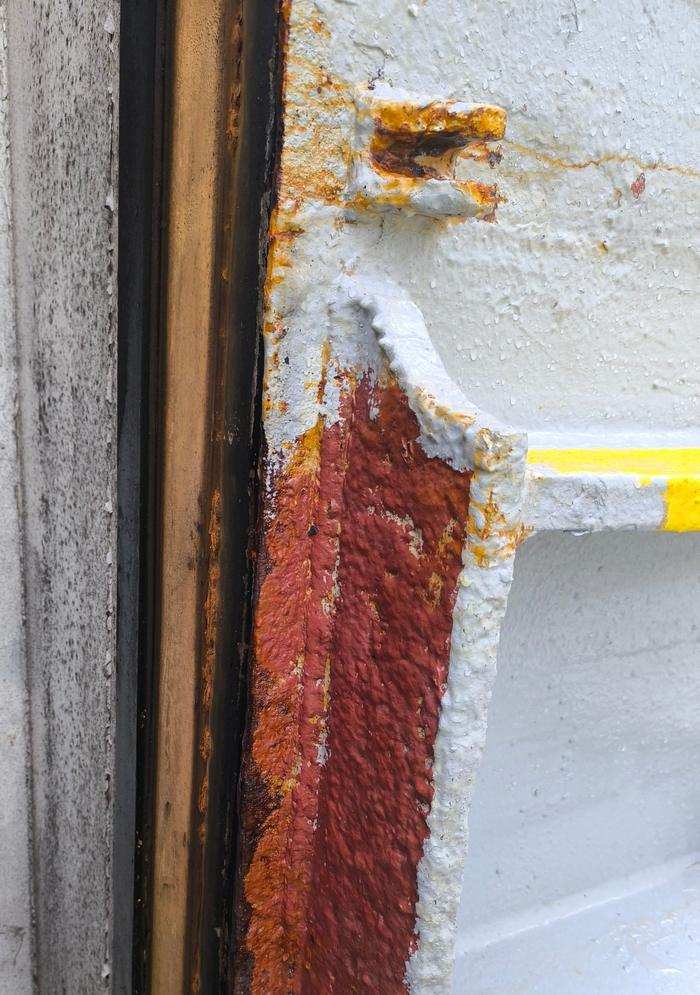
Hatch cover seals
Bulk & general cargo

Hatch cover seals

Hardened or detached rubber and corroded compression bars let water into the hold. We check seals, cleats and drains before the PSC visit.

Pilot ladders
All vessels

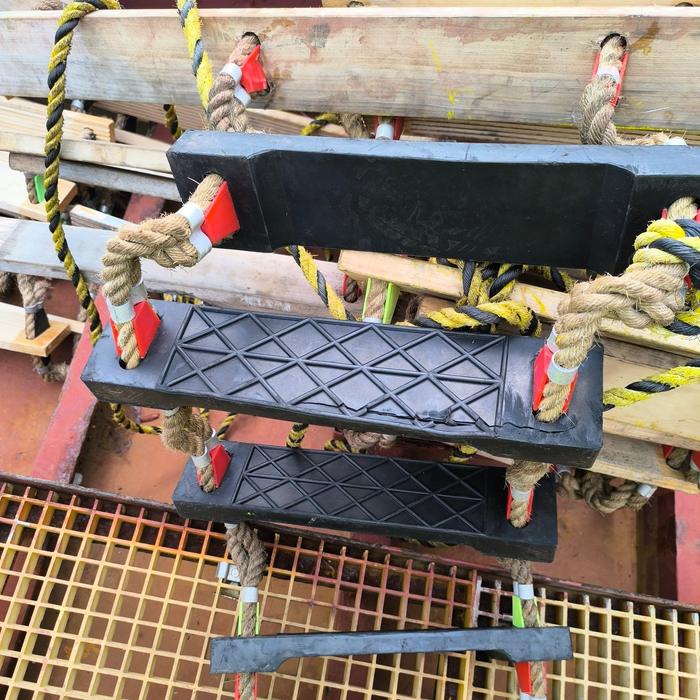
Pilot ladders

Steps, side ropes and securing points are checked against SOLAS V/23. Ladders installed from 2028 must meet MSC.576(110).

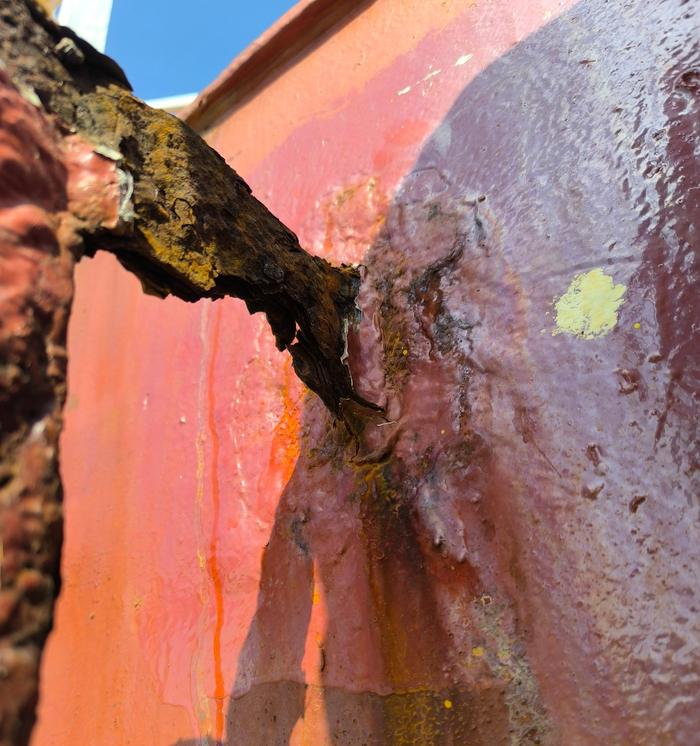
Structure and fittings
All vessels

Structure and fittings

Wastage at brackets, pipe supports and deck fittings is often the first thing an inspector sees on deck. We note it early, with photos.

From our inspections

What we find, and why it matters.

Typical findings from our recent pre-PSC and vetting-readiness inspections, anonymised. We explain why each one matters, so the crew can fix it before arrival.

01

Enclosed space entry

What we found
Entry permits did not record gas readings during the work, and no detector on board could measure CO₂.
Why it matters
Since 1 Jan 2026, MSC.581(110) requires the atmosphere to be tested for CO₂. Enclosed spaces remain a leading cause of deaths at sea.
Recommended
Permit updated to record readings at set intervals, and a CO₂-capable detector added to the order list.
02

Navigation equipment

What we found
The S-band radar magnetron had run about five times the maker's replacement interval.
Why it matters
A weak transmitter reduces detection range, and maker's maintenance is checked in vetting.
Recommended
Replacement planned and the interval added to the planned maintenance system.
03

Life-saving appliances

What we found
A liferaft was secured with a turnbuckle instead of a slip hook, and a painter was attached to the wrong point.
Why it matters
SOLAS III/31 requires manual release for launching, and the painter must hold the raft until the weak link parts.
Recommended
Raft re-secured and the arrangement shown to the deck crew.
04

Bridge watchkeeping

What we found
The echo sounder shallow-depth alarm was switched off and NAVTEX error-rate monitoring was not active.
Why it matters
Silent alarms remove a safety barrier in confined waters and are a frequent PSC and SIRE 2.0 observation.
Recommended
Settings restored and the bridge team briefed during the inspection.
05

Fire-fighting media

What we found
No evidence was on board that the foam concentrate was PFOS-free.
Why it matters
From 1 Jan 2026, SOLAS prohibits PFOS-containing extinguishing media.
Recommended
Maker's declaration requested from the supplier and filed with the fire safety records.
06

Safety management

What we found
Defects found during routine tests had not been entered in the defect reporting system.
Why it matters
Unrecorded defects cannot be tracked, and PSC treats them as an ISM implementation gap.
Recommended
Defects logged, with target dates and follow-up by the office.

Our principle

We do not inspect to condemn. We inspect to protect.

Our job is not to collect deficiencies. It is to protect the crew, the ship, the cargo and the owner's record, by finding what is wrong early and helping put it right.

028°E029°E030°E42°N43°N44°N45°NBLACK SEAGalațiTulceaSulinaMidiaConstanțaBASE · 44°10′N 028°40′EMangaliaVarnaBurgasIstanbul

Where we work

Based in Constanța. Attending across the Black Sea and Europe.

From our base next to Romania's largest port we reach Romanian sea and Danube ports quickly, and travel to Bulgarian, Turkish and European ports on request.

Constanța · Midia · MangaliaBase area
Galați · Tulcea · SulinaDanube ports
Varna · BurgasBulgaria
Istanbul & Turkish StraitsOn request
EU ports · Paris MoU regionOn request

Questions

Frequently asked.

If your question is not here, write to us with the vessel and port, and we will answer the same day where possible.

How quickly can you attend a vessel?

In Constanța, Midia and Mangalia we can usually attend on short notice. For other Black Sea, Danube and European ports we confirm availability and travel time when you send the port and ETA.

What do we receive after a pre-PSC inspection?

A debrief with the Master before we leave the vessel, then a written report with the score per area, the overall PSC risk level, findings with photographs and the recommended actions before arrival.

Is a SIRE 2.0 or RightShip preparation the same as the official inspection?

No. Our readiness inspections prepare the vessel and the crew. The official SIRE 2.0 and RightShip inspections are carried out separately under those schemes.

Do you work in shipyards outside Romania?

Yes. Newbuilding, dry-dock and repair attendance is arranged for the yard and dates you need. Our team has worked in yards in Italy, Türkiye, Croatia and Slovenia.

How are your services priced?

Inspections and audits are quoted per vessel and scope. Shipyard attendance and owner's representation are quoted per day or per project. Travel and accommodation are stated separately in the quote.

Can you support a whole fleet?

Yes. Fleet support combines periodic inspections, a fleet PSC risk overview and follow-up of recurring findings, agreed as a programme with the office.

Vessel due in port, in the yard or changing hands? Tell us where and when.

Request a quote

Privacy notice

Navi Support Inspections SRL is the controller of the personal data you send through this website.

What we collect. Only what you type into the enquiry form: name, email address, the service you ask about, your message and any vessel details you choose to add.

Why. To answer your enquiry and prepare a quote (legal basis: steps prior to a contract and our legitimate interest in replying, GDPR Art. 6(1)(b) and (f)).

How long. Up to 24 months after our last exchange, unless a contract requires longer.

Who processes it. Our website host, Netlify Inc., stores form submissions on our behalf. We do not sell or share your data for marketing.

Your rights. You can ask for access, correction or deletion at any time by writing to ops@navispectglobal.com. You may also complain to the Romanian supervisory authority (ANSPDCP).

This site does not use tracking or advertising cookies.